The Campus Kill List Unveiled: A Deep Dive into Fear, Media, and Serial Killer Psychology
- annabellemysteries
- Feb 25
- 3 min read
The unsettling reality of a killer targeting male students on campus has sent shockwaves through communities, leaving students, faculty, and families gripped by fear. This chilling narrative is not just about the crimes themselves but also about the mind behind them, the ripple effects on campus life, and how media coverage shapes public perception. Understanding the psychology of such a killer, the impact of fear on daily routines, and the role of safety measures can help campuses respond more effectively and protect their communities. The Campus Kill List delves deeply into the psyche of the serial killer and highlights the fears of the students being stalked by such a prolific killer.
The Killer’s Mindset: Striving to Become the Greatest of All Time
Serial killers often seek notoriety, but this particular killer’s ambition goes beyond infamy. The desire to be recognized as the greatest of all time (GOAT) among serial killers reveals a complex psychological profile driven by a need for control, power, and legacy.
Experts in forensic psychology explain that such killers often exhibit narcissistic traits combined with deep-seated insecurities. They crave attention and validation, which fuels their violent actions. The killer’s methodical targeting of male students suggests a specific motive or grievance, possibly tied to personal history or ideology.
Dr. Emily Carter, a criminal psychologist, notes:
"This killer’s obsession with being the GOAT reflects a dangerous blend of grandiosity and detachment from reality. Their actions are not random but carefully planned to maximize impact and media coverage."
Understanding this mindset helps law enforcement anticipate patterns and motives, which is crucial for prevention and capture.
Fear’s Grip on Campus Life
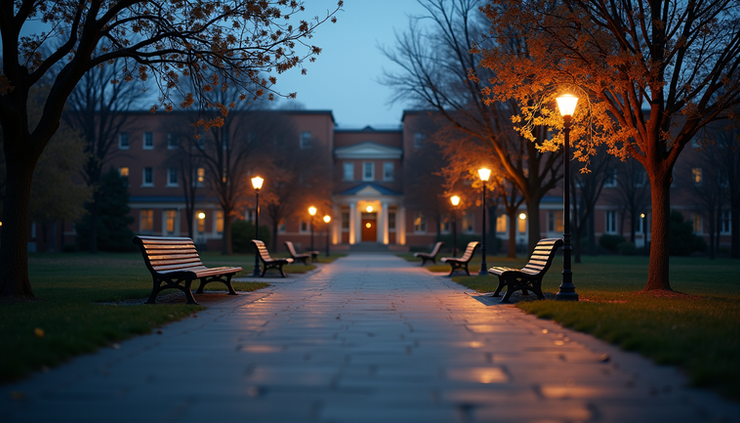
The presence of a killer on campus transforms the environment from a place of learning and growth into one of anxiety and suspicion. Students report feeling unsafe walking alone, especially after dark. Group activities and late-night study sessions decline as fear takes hold.
This atmosphere affects mental health, academic performance, and social interactions. Counseling centers see increased demand, and campus events often experience lower attendance. The fear also creates divisions, with some students advocating for stricter security while others worry about privacy and freedom.
Survivor stories highlight the emotional toll. One student shared:
"I stopped going to the library at night. Every shadow felt like a threat. It changed how I experienced college completely."
Campuses must balance maintaining an open, welcoming environment with implementing effective safety measures to restore a sense of security.
Media’s Role in Shaping the Narrative
Media coverage plays a powerful role in how the campus killings are perceived. Sensational headlines and graphic details can amplify fear and sometimes glorify the killer’s actions, unintentionally feeding their desire for recognition.
News outlets often focus on the most shocking elements, which can overshadow the victims’ stories and the community’s resilience. Social media spreads rumors and misinformation rapidly, complicating efforts to provide clear, accurate updates.
Experts recommend responsible reporting practices:
Avoid sensationalism
Focus on facts and verified information
Highlight survivor experiences and community responses
Provide resources for safety and support
Responsible media coverage helps reduce panic and supports informed decision-making among students and staff.
Campus Safety Measures That Make a Difference
In response to the threat, many campuses have strengthened their safety protocols. These measures include:
Increased lighting in parking lots and walkways
Emergency call stations placed strategically around campus
Enhanced security patrols, especially during night hours
Safety apps that allow students to alert authorities quickly
Self-defense workshops and awareness programs
Experts emphasize the importance of community involvement in safety. Students, faculty, and staff should be encouraged to report suspicious behavior and participate in safety training.
Technology also plays a role. For example, some campuses use AI-powered surveillance to detect unusual activity, while others implement access controls to limit entry to certain areas after hours.
Learning from Survivors: Voices That Matter
Survivors of attacks or close encounters provide invaluable insights into what works and what doesn’t in campus safety. Their stories often reveal gaps in communication, response times, or support services.
One survivor recounted how a quick-thinking friend used a safety app to summon help, which likely saved their life. Another highlighted the importance of mental health support in recovery.
Incorporating survivor feedback into safety planning ensures that measures address real needs and concerns, not just theoretical risks.
Preventive Strategies for a Safer Campus Future
Preventing such tragedies requires a multi-layered approach:
Education: Teach students about personal safety, recognizing warning signs, and how to seek help.
Community Building: Foster a culture where everyone looks out for one another.
Mental Health Support: Provide accessible counseling to address underlying issues that may lead to violence.
Collaboration: Work closely with local law enforcement and mental health professionals.
Transparency: Keep the campus community informed without causing unnecessary alarm.
These strategies create a safer, more resilient campus environment where fear does not dominate daily life.


Comments